Biomedical Sciences (BMS) Graduate Program
Admissions | Academic Program | Faculty | Events | Campuses & Facilities | The Bay Area | BMS Intranet | Students | Home
BMS Research Areas
back to
BMS Faculty Directory
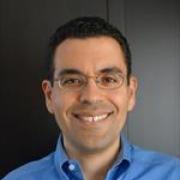
Andrei Goga, MD, PhD
Oncogenes and Cell Cycle Control
Selected Publications | Complete Publications

phone
415-476-4191
email
additional
websites
secondary
research affiliation

Background:

Tumor cells are driven to proliferate by oncogene over-expression or the loss of tumor-suppressor genes. Since tumor cells develop a deregulated cell cycle, their proliferation may be especially sensitive to cell cycle inhibitors. Cell cycle regulation has been extensively studied in simple model organisms such as yeast and in mammalian cell culture systems, however, much less is known about cell cycle regulation in the context of a whole mouse or in a developing tumor. We seek to develop mouse model systems to study basic cell cycle regulation in normal and tumor cells and to facilitate the development of cell cycle inhibitors as therapeutics.

Major Goals:

(i) Understand how different oncogenes and micro-RNAs contribute to tumor development, progression and regression in mouse model systems. (ii) Synthetic-lethal screens of oncogenes and cell cycle inhibitors to identify novel therapeutic combinations. (iii) Understand the effects of mitotic spindle checkpoint inhibition on tumor development and regression.

On-Going Research:

1. Cyclin-Dependent Kinase (CDK) Inhibitors for Cancer Therapy.
CDKs are a conserved family of protein kinases that serve a central role in regulating the eukaryotic cell cycle. We are testing the hypothesis that cell cycle arrest via CDK inhibition can induce apoptosis or senescence in the context of specific oncogenic signals.

2.  Role of the Mitotic Spindle Checkpoint Loss in Tumorigenesis.
Loss of the mitotic spindle checkpoint is present in a wide variety of human tumors and has been postulated to contribute to the initiation and progression of tumors to a fully malignant phenotype. Cells lacking the spindle checkpoint do not await the proper alignment of sister chromosomes prior to chromosome segregation and cytokinesis, resulting in whole chromosome gains and losses. We have generated dominant-negative (DN) mutants of the BUB1 spindle checkpoint protein to induce conditional spindle checkpoint loss in transgenic animals.  This allows for directly testing whether induction of chromosomal instability induces, cooperates with or accelerates tumorigenesis.  

3. Regulation of Oncogenes and Tumor Suppressor Genes by miRNAs.
Micro-RNAs (miRNAs) are a class of small non-coding RNAs that can regulate cell differentiation and are deregulated in a variety of human cancers.  We are interested in identifying miRNAs that regulate oncogenes or tumor suppressor genes and their effects on oncogenesis.  Since some miRNAs can modulate oncogene function, they may also regulate the apoptotic response to CDK inhibitors or other cytotoxic drugs.  We have developed a retroviral-based delivery system to allow for the study of individual micro-RNAs.  We are currently generating a complete retroviral library of the ~ 500 known human miRNAs.  This library will be employed for functional screens of miRNA function in tumorigenesis and stem cell biology.


Selected Publications

Goga, A., McLaughlin, J., Pendergast, A.M., Parmar, K., Muller, A., Rosenberg, N., and Witte, O.N. 1993. Oncogenic activation of c-ABL by mutation within its last exon. Mol. Cell Biol. 13:4967-4975.

Cohen, L., Mohr, R., Chen, Y.Y., Huang, M., Kato, R., Dorin, D., Tamanoi, F., Goga, A., Afar., D., Rosenberg, N., and Witte, O.N.  1994.  Transcriptional activation of a novel ras-like gene (kir) by oncogenic tyrosine kinasesProc. Nat. Acad. Sci.  91: 12448-12452.

Sawyers, C.L., McLaughlin, J., Goga, A., Havlik, M., and Witte, O.N. 1994 . The nuclear tyrosine kinase c-ABL negatively regulates cell growth . Cell 77: 121-31 .

Afar, D., Goga, A., McLaughlin, J., Witte, O.N., and Sawyers, C.S. 1994. Differential complementation of BCR/ABL point mutants with c-MYC . Science 264: 424-426.

Goga, A., Liu, X., Hambuch, T., Senechal, K., Major, E., Berk, A.J., Witte, O.N., and Sawyers, C.L. 1995. p53 dependent growth suppression by the c-ABL nuclear tyrosine kinase . Oncogene 11: 791-799.

Goga, A., McLaughlin, J., Afar, D.E.H., Saffran , D.C. , and Witte, O.N. 1995 . Alternative signals to Ras for hematopoietic transformation by the Bcr-Abl oncogene. Cell 82: 981-988 .

Walkenhorst, J. Goga, A., Witte, O. N., and Superti-Furga, G.  1996.  Analysis of human c-Abl tyrosine kinase activity and regulation in S. PombeOncogene, 12: 1513-20.   

Golub, T. R., Goga, A., Barker, G. F., Afar, D.E., McLaughlin, J., Bohlander, S. K., Rowley, J. D., Witte, O. N., and Gilliland, D. G.  1996.  Oligomerization of the Abl tyrosine kinase by the Ets protein Tel in human leukemia.  Mol. Cell Biol. 16: 4107-16.

Yang, D., Buchholtz, F., Huang, Z., Goga, A., Chen, C., D.E., Brodsky, F. and Bishop, J.M. 2002. Short RNA duplexes produced by hydrolysis with Escheria coli RNase III mediate effective RNA interference in mammalian cells. Proc. Nat. Acad. Sci.99:9942-7.

Yang D, Goga A, Bishop JM. 2004. RNA interference (RNAi) with RNase III-prepared siRNAs. Methods Mol Biol. 252:471-82.

Scott G, Goga A, Bhaumik D, Berger C, Sullivan C, and Benz C. 2007. Coordinate Suppression of ERBB2 and ERBB3 by Enforced Expression of microRNA miR-125a or miR-125b. J. Biol Chem.282(2):1479-86.

Goga A, Yang, D, Tward A, Morgan DO and Bishop JM. 2007.  Inhibition of Cdk1 as a potential therapy for tumors over-expressing MYC.   Nature Medicine. Jul;13(7):820-7. Epub 2007 Jun 24.

Goga A and Benz, C. 2007. Anti-oncomir suppression of tumor phenotypes.  Mol Interv.Aug199-202.

information last updated June 2008

© 2009-2010 The Regents of the University of California. All rights reserved.
Image Credits